Floral
Fruity
Top Noteshyacinthhydrangeaviolet leaf
Heartjasminelily-of-the-valleyorris (iris root)rose
Base Notescedarwoodmusk
Tags
#clean
#fresh
#normcore
Style
for her
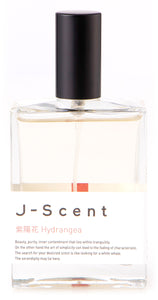
Japan has a rainy season from June to July, called “tsuyu.” Embodying tsuyu is hydrangea, blooming in the gentle rain. Here, hyacinth and violet entwine with the fresh floral scent of jasmine and iris, with an undertone of humidity and the smell of soil.
All about this fragrance
Vibe check
An unhurried morning with the window open after rain: damp greenery outside, the day’s work still ahead. Hydrangea’s fresh flowers and earthy undertone suit a composed, approachable presence in shared spaces, without the sweetness of a floral bouquet.
How to wear
Reach for it in mild spring weather or on temperate, rainy summer days. Start with one or two sprays on skin, keeping application light in warm or enclosed spaces. The green florals and damp-earth impression favor a restrained application rather than a heavy scented cloud.
Who it’s for
For those who prefer green, gently soapy florals to rich sweetness. Its violet, hyacinth and lily-of-the-valley character will appeal to lovers of understated fragrances, especially those drawn to garden scents with a subtle earthy edge.
Release year
2017
The nose
Attributed to Hironobu Kobayashi by specialist perfume retailers; J-Scent’s official product and launch materials do not name an individual perfumer.
J-Scent’s story
J-Scent translates Japanese seasons, traditions and everyday smells into fragrances made in Japan. Its focus is on familiar experiences of contemporary Japanese life, using scent to connect ordinary moments with memory and imagination.
Hydrangea’s concept
Hydrangea interprets tsuyu, Japan’s early-summer rainy season, through flowers blooming in gentle rain. Hyacinth, violet, jasmine and iris suggest the floral landscape, while impressions of humidity and soil bring the surrounding atmosphere into the composition.
Extra info
Despite its name, hydrangea is not listed in the official note pyramid. The flower and its rainy-season setting are interpreted through other floral and green notes, with cedarwood and musk at the base.
Top Noteshyacinthhydrangeaviolet leaf
Heartjasminelily-of-the-valleyorris (iris root)rose
Base Notescedarwoodmusk
Tags
#clean
#fresh
#normcore
Style
for her
Japan has a rainy season from June to July, called “tsuyu.” Embodying tsuyu is hydrangea, blooming in the gentle rain. Here, hyacinth and violet entwine with the fresh floral scent of jasmine and iris, with an undertone of humidity and the smell of soil.
All about this fragrance
Vibe check
An unhurried morning with the window open after rain: damp greenery outside, the day’s work still ahead. Hydrangea’s fresh flowers and earthy undertone suit a composed, approachable presence in shared spaces, without the sweetness of a floral bouquet.
How to wear
Reach for it in mild spring weather or on temperate, rainy summer days. Start with one or two sprays on skin, keeping application light in warm or enclosed spaces. The green florals and damp-earth impression favor a restrained application rather than a heavy scented cloud.
Who it’s for
For those who prefer green, gently soapy florals to rich sweetness. Its violet, hyacinth and lily-of-the-valley character will appeal to lovers of understated fragrances, especially those drawn to garden scents with a subtle earthy edge.
Release year
2017
The nose
Attributed to Hironobu Kobayashi by specialist perfume retailers; J-Scent’s official product and launch materials do not name an individual perfumer.
J-Scent’s story
J-Scent translates Japanese seasons, traditions and everyday smells into fragrances made in Japan. Its focus is on familiar experiences of contemporary Japanese life, using scent to connect ordinary moments with memory and imagination.
Hydrangea’s concept
Hydrangea interprets tsuyu, Japan’s early-summer rainy season, through flowers blooming in gentle rain. Hyacinth, violet, jasmine and iris suggest the floral landscape, while impressions of humidity and soil bring the surrounding atmosphere into the composition.
Extra info
Despite its name, hydrangea is not listed in the official note pyramid. The flower and its rainy-season setting are interpreted through other floral and green notes, with cedarwood and musk at the base.