Spicy
Notescashmerancassisgaiac / guaiac woodgrapefruitmandarinmuskorange blossomoudpatchoulisandalwoodtonka beansvanilla
Tags
#aftergym
#beast
#sexy
Style
for him
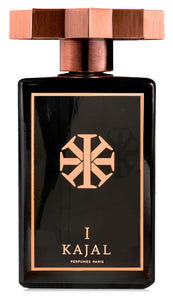
Spiritually, number one represents beginnings, focus and determination. Kajal l, with its fresh, engaging warmth, has been crafted to underscore one’s innate dignity and charisma. Cassis, grapefruit and mandarin provide the big “hello!”. Guaiac wood, cardamom, orange blossom and cashmeran draw people in, while a soft vanillic cloud of sandalwood and oud extend the allure.
Perfumer: Christian Carbonnel
All about this fragrance
Vibe check
The register is sociable and assured: an evening conversation that starts with energy and gradually settles into closer company. Tart fruit gives the first impression a lively edge; cardamom and soft, sweet woods bring warmth as the pace slows.
How to wear
The warm woody base makes cooler days and mild evenings a natural fit. Start with one or two sprays on skin, allowing the citrus opening to settle before adding more. In hot weather or close indoor settings, apply lightly so the vanilla, tonka and woods do not outweigh the brighter notes.
Who it’s for
For those who enjoy a vivid fruity opening over warm, spicy woods, with noticeable sweetness in the base. It suits tastes that favor plush Cashmeran, sandalwood and tonka rather than austere woods or sharply dry citrus.
Release year
2015, renamed 2025
The nose
Christian Carbonnel is credited on the current Kajal I presentation. Known for his work in niche perfumery, his style often brings rich woods, amber and generous sweetness into polished, expansive compositions. Here, bright fruit and aromatic spice provide contrast to a plush woody base. The original Kajal Homme carries a joint credit for Carbonnel and Rosendo Mateu. Mateu was a distinguished Spanish perfumer whose work combined technical precision with richly textured floral, woody and amber accords. The historical joint credit and current Carbonnel-only credit should be distinguished.
Collaborators
Rosendo Mateu is credited as co-perfumer of the original Kajal Homme, although the current Kajal I presentation names Christian Carbonnel alone. Founders Ibrahim Faris and Moe Khalaf shaped the original brief around international appeal, seeking a composition that would not be narrowly associated with one regional fragrance tradition.
Kajal’s story
Kajal connects perfumery with inner beauty, humility and honor, bringing spiritual symbolism into both composition and design. Its geometric identity centers on an eight-pointed star cap inspired by Andalusian and Moorish decorative traditions, expressing balance, harmony and craftsmanship.
Kajal I’s concept
Originally introduced as Kajal Homme, the fragrance was conceived with broad international appeal and presented in a sharply rectangular, copper-plated bottle. Its current identity, Kajal I, draws on the symbolism of the number one: beginnings, determination and individuality. This newer narrative is distinct from the original creative brief.
Extra info
Kajal I was previously called Kajal Homme; the Polish-market brand site dates its new name and packaging to 2025. The numeral does not signify the house’s first fragrance: the original Kajal preceded it and is a separate rose–orris composition.
Notescashmerancassisgaiac / guaiac woodgrapefruitmandarinmuskorange blossomoudpatchoulisandalwoodtonka beansvanilla
Tags
#aftergym
#beast
#sexy
Style
for him
Spiritually, number one represents beginnings, focus and determination. Kajal l, with its fresh, engaging warmth, has been crafted to underscore one’s innate dignity and charisma. Cassis, grapefruit and mandarin provide the big “hello!”. Guaiac wood, cardamom, orange blossom and cashmeran draw people in, while a soft vanillic cloud of sandalwood and oud extend the allure.
Perfumer: Christian Carbonnel
All about this fragrance
Vibe check
The register is sociable and assured: an evening conversation that starts with energy and gradually settles into closer company. Tart fruit gives the first impression a lively edge; cardamom and soft, sweet woods bring warmth as the pace slows.
How to wear
The warm woody base makes cooler days and mild evenings a natural fit. Start with one or two sprays on skin, allowing the citrus opening to settle before adding more. In hot weather or close indoor settings, apply lightly so the vanilla, tonka and woods do not outweigh the brighter notes.
Who it’s for
For those who enjoy a vivid fruity opening over warm, spicy woods, with noticeable sweetness in the base. It suits tastes that favor plush Cashmeran, sandalwood and tonka rather than austere woods or sharply dry citrus.
Release year
2015, renamed 2025
The nose
Christian Carbonnel is credited on the current Kajal I presentation. Known for his work in niche perfumery, his style often brings rich woods, amber and generous sweetness into polished, expansive compositions. Here, bright fruit and aromatic spice provide contrast to a plush woody base. The original Kajal Homme carries a joint credit for Carbonnel and Rosendo Mateu. Mateu was a distinguished Spanish perfumer whose work combined technical precision with richly textured floral, woody and amber accords. The historical joint credit and current Carbonnel-only credit should be distinguished.
Collaborators
Rosendo Mateu is credited as co-perfumer of the original Kajal Homme, although the current Kajal I presentation names Christian Carbonnel alone. Founders Ibrahim Faris and Moe Khalaf shaped the original brief around international appeal, seeking a composition that would not be narrowly associated with one regional fragrance tradition.
Kajal’s story
Kajal connects perfumery with inner beauty, humility and honor, bringing spiritual symbolism into both composition and design. Its geometric identity centers on an eight-pointed star cap inspired by Andalusian and Moorish decorative traditions, expressing balance, harmony and craftsmanship.
Kajal I’s concept
Originally introduced as Kajal Homme, the fragrance was conceived with broad international appeal and presented in a sharply rectangular, copper-plated bottle. Its current identity, Kajal I, draws on the symbolism of the number one: beginnings, determination and individuality. This newer narrative is distinct from the original creative brief.
Extra info
Kajal I was previously called Kajal Homme; the Polish-market brand site dates its new name and packaging to 2025. The numeral does not signify the house’s first fragrance: the original Kajal preceded it and is a separate rose–orris composition.