Floral
Notesbasilcarrot seedscucumbergrapefruitgreen beanshyacinthlilacmandarinmirabelle plumorris (iris root)peace lilypearplumraspberryrosetomato leavesvanillawatermelon
Tags
#clean
#normcore
#powdery
Style
unisex
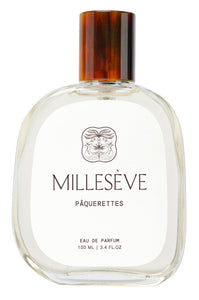
Hands in the soil. Fruits, vegetables and flowers mingle in the joyful disorder of a sun-drenched family garden. Daisy bouquets, juicy mirabelle plums and sweet raspberries. A harvest of crunchy beans and a table decorated with roses, freesias and hydrangeas. A sheen of green: green grass, green beans, green sap.
All about this fragrance
Vibe check
An unhurried afternoon around a garden table, with snapped bean pods beside freshly gathered flowers. Pâquerettes brings that informal closeness into everyday company: leafy and gently playful, with a powdery floral softness that keeps its vegetable accents from feeling austere.
How to wear
Its green, juicy profile suggests spring and mild summer weather. Start with one or two sprays on the neck or forearms, leaving space for the crisp vegetable accents and softer flowers to mingle. In warmer conditions, apply lightly rather than layering heavily; assess diffusion on your own skin before adding more.
Who it’s for
For those who enjoy green florals but want more than petals: basil, tomato leaves and crunchy beans give familiar garden flowers an unexpected edge. Its clean, softly powdery character suits an understated aesthetic, while the fruit adds a gentler counterpoint to the vegetal notes.
Release year
2026
The nose
Marie Schnirer composed Pâquerettes at the independent MS Lab in Paris. Her work here translates a familiar garden into an unconventional floral composition, bringing vegetable crunch and leafy aromatics into contact with fruit and softly powdery flowers.
Collaborators
Founder Camille Hauguel supplied the childhood memories of Normandy that shaped the fragrance’s creative brief. Through extensive conversations with Marie Schnirer, those personal recollections became shared sensory references for the collection, including Pâquerettes’ family garden.
Milleseve’s story
Millesève seeks to recover the precise sensation of a place through perfume. Rooted in lived experiences of Normandy and developed in Paris, its fragrances use sap as a metaphor for the life and character of a landscape. Gender-free presentation and nearby French and European production partners support this intimate, place-led approach.
Pâquerettes (Daisies)’s concept
Pâquerettes recreates the joyful disorder of a family garden, where vegetables, fruit and flowers grow side by side. Picking daisy bouquets, tasting fresh beans and gathering mirabelle plums and raspberries become the fragrance’s sensory vocabulary. The house calls this idea “green sap”: a garden remembered through its living textures rather than flowers alone.
Extra info
Pâquerettes means “daisies,” yet the official note pyramid does not list a daisy accord. Green bean is among its unusually specific vegetable notes. The fragrance uses organic wheat alcohol, a detail that does not imply the entire composition is certified organic.
Notesbasilcarrot seedscucumbergrapefruitgreen beanshyacinthlilacmandarinmirabelle plumorris (iris root)peace lilypearplumraspberryrosetomato leavesvanillawatermelon
Tags
#clean
#normcore
#powdery
Style
unisex
Hands in the soil. Fruits, vegetables and flowers mingle in the joyful disorder of a sun-drenched family garden. Daisy bouquets, juicy mirabelle plums and sweet raspberries. A harvest of crunchy beans and a table decorated with roses, freesias and hydrangeas. A sheen of green: green grass, green beans, green sap.
All about this fragrance
Vibe check
An unhurried afternoon around a garden table, with snapped bean pods beside freshly gathered flowers. Pâquerettes brings that informal closeness into everyday company: leafy and gently playful, with a powdery floral softness that keeps its vegetable accents from feeling austere.
How to wear
Its green, juicy profile suggests spring and mild summer weather. Start with one or two sprays on the neck or forearms, leaving space for the crisp vegetable accents and softer flowers to mingle. In warmer conditions, apply lightly rather than layering heavily; assess diffusion on your own skin before adding more.
Who it’s for
For those who enjoy green florals but want more than petals: basil, tomato leaves and crunchy beans give familiar garden flowers an unexpected edge. Its clean, softly powdery character suits an understated aesthetic, while the fruit adds a gentler counterpoint to the vegetal notes.
Release year
2026
The nose
Marie Schnirer composed Pâquerettes at the independent MS Lab in Paris. Her work here translates a familiar garden into an unconventional floral composition, bringing vegetable crunch and leafy aromatics into contact with fruit and softly powdery flowers.
Collaborators
Founder Camille Hauguel supplied the childhood memories of Normandy that shaped the fragrance’s creative brief. Through extensive conversations with Marie Schnirer, those personal recollections became shared sensory references for the collection, including Pâquerettes’ family garden.
Milleseve’s story
Millesève seeks to recover the precise sensation of a place through perfume. Rooted in lived experiences of Normandy and developed in Paris, its fragrances use sap as a metaphor for the life and character of a landscape. Gender-free presentation and nearby French and European production partners support this intimate, place-led approach.
Pâquerettes (Daisies)’s concept
Pâquerettes recreates the joyful disorder of a family garden, where vegetables, fruit and flowers grow side by side. Picking daisy bouquets, tasting fresh beans and gathering mirabelle plums and raspberries become the fragrance’s sensory vocabulary. The house calls this idea “green sap”: a garden remembered through its living textures rather than flowers alone.
Extra info
Pâquerettes means “daisies,” yet the official note pyramid does not list a daisy accord. Green bean is among its unusually specific vegetable notes. The fragrance uses organic wheat alcohol, a detail that does not imply the entire composition is certified organic.